
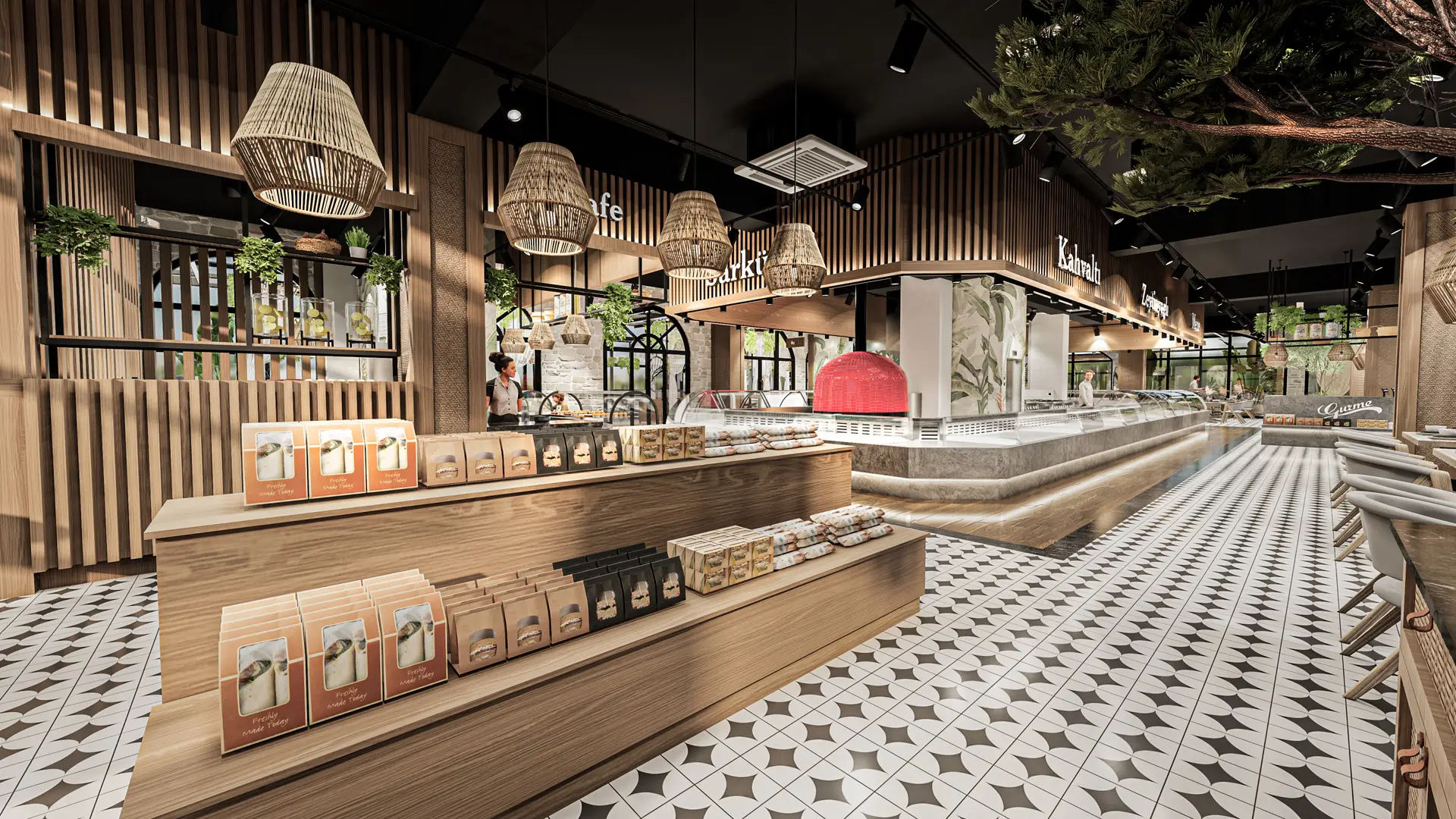
Modern Store Design Trends
Today, store design plays a critical role in helping brands express themselves to customers and increase sales. Modern stores are no longer just places where products are sold; they have become experience spaces that tell the brand’s story. Modern store design trends cover many areas, from decoration to technological applications, and help stores build an emotional connection with customers.
Decoration Idea Trends
Store decoration is hugely important for capturing the customer’s attention and leaving the brand in their memory. As of 2025, the leading decoration trends are:
- Natural Materials and the Use of Wood: Wood, stone, and natural fabrics give stores a warm and inviting atmosphere. This trend is ideal for brands that want to create a sustainable, eco-friendly image.
- Minimalist Design Approach: Clutter-free, simple, and functional designs help customers focus on the products. Minimalist stores offer spacious and airy areas.
- Creating Emphasis with Lighting: LED lights, spotlights, and the use of natural light make products stand out and strengthen the store atmosphere.
The materials and colors used in decoration must match the store theme. The right decoration not only attracts visitors but also increases their shopping time.
Store Design
Store design covers a broad area, from product display to customer experience. In modern stores, design is built on three core principles:
- Customer-Experience-First Design: It is important that customers can move comfortably within the store, examine products easily, and benefit from interactive areas.
- Functional Space Planning: Shelf layouts, checkouts, and rest areas must be both aesthetic and functional.
- Reflecting Brand Identity: Store design must be consistent with the brand’s colors, logo, and story.
Instead of merely presenting products, modern stores create an experience space. This helps the customer build an emotional connection with the store and increases repeat visits.
 Technology and Digital Integration
Today, store design is unthinkable without integrating technology. Digital trends provide major advantages to both customers and store owners.
- Smart Shelf Systems: Supporting products with digital screens delivers product information to the customer.
- Virtual Fitting Areas: Especially in fashion and cosmetics stores, virtual fitting rooms enhance the experience.
- Mobile Payment and Self-Checkout: Fast and secure payment options increase customer satisfaction.
These technologies give the store a modern and innovative image. They also speed up the customer’s shopping process and increase sales.
Color and Atmosphere Trends
The store atmosphere directly affects the customer’s mood and purchasing behavior. The leading color and atmosphere trends in modern stores are:
- Natural and Soft Tones: Beige, cream, and pastel tones add a calm and inviting feel to the store.
- Vivid Accent Colors: Vivid colors used in product areas create an eye-catching and dynamic effect.
- Scents and Sound Design: Soft music and pleasant scents that complete the store atmosphere enhance the customer’s shopping experience.
The table below summarizes the leading color and material trends used in modern store design:
| Trends | Area of Use | Effect |
|---|---|---|
| Wood and Natural Materials | Shelves, Floor, Furniture | Creates a warm and intimate atmosphere |
| Minimalist and Open Spaces | Store Planning | Highlights products, gives a sense of spaciousness |
| LED and Spot Lighting | Showcase, Product Display | Emphasizes products, adds a modern feel |
| Vivid Color Accents | Product Display Areas | Attracts customer attention, provides a dynamic look |
| Technology Integration | Self-Checkout, Digital Shelves | Speeds up shopping, adds an innovative image |
Product Display and Visualization
Product display is one of the most critical areas of a store. In modern stores, products are arranged in a way that is both aesthetic and accessible.
- Layered Shelf Layout: Products are arranged in layers at eye level to make them eye-catching.
- Themed Displays: Products are grouped around a concept and theme to offer the customer a holistic experience.
- Digital Labeling: Product information and campaigns are presented next to products via digital screens or QR codes.
These methods encourage customers to spend more time in the store and increase the likelihood of purchase.
Sustainable Store Design
Sustainability is an indispensable part of modern store design. Through eco-friendly practices, brands both demonstrate social responsibility and appeal to consumers’ conscious choices.
- Energy-Efficient Lighting and HVAC Systems: LED lights and energy-saving systems reduce costs and benefit the environment.
- Recyclable Materials: Recyclable materials are preferred for shelves, furniture, and decorative products.
- Minimal Waste Management: Waste-reduction strategies are applied in packaging and decoration processes.
Sustainable design strengthens stores’ brand value and meets modern consumer expectations.
Summary List of Modern Store Design Trends
- Natural materials and warm color tones
- Minimalist and spacious areas
- Technology integration (self-checkout, digital labeling)
- Themed and experience-focused product display
- Sustainable and eco-friendly practices
- Dynamic lighting and sound design
These trends help stores move beyond being mere sales areas and offer customers an unforgettable experience.
Frequently Asked Questions
Why is modern store design important?
Modern store design is a critical tool for capturing the customer’s attention, reflecting brand identity, and increasing sales. A well-designed store encourages visitors to spend more time inside.
Which trends stand out in store decoration?
In the 2025 trends, natural materials, minimalist design, LED lighting, and vivid color accents stand out. These decoration ideas offer a store experience that is both aesthetic and functional.
How is technology used in store design?
Smart shelf systems, virtual fitting areas, and self-checkout technologies enhance the customer experience in modern stores and speed up the shopping process.
Why is sustainable store design preferred?
Sustainable design reduces costs through eco-conscious production and energy savings while appealing to the conscious consumer. It strengthens brands’ perception of social responsibility.
Follow us on Instagram: wawainteriors