
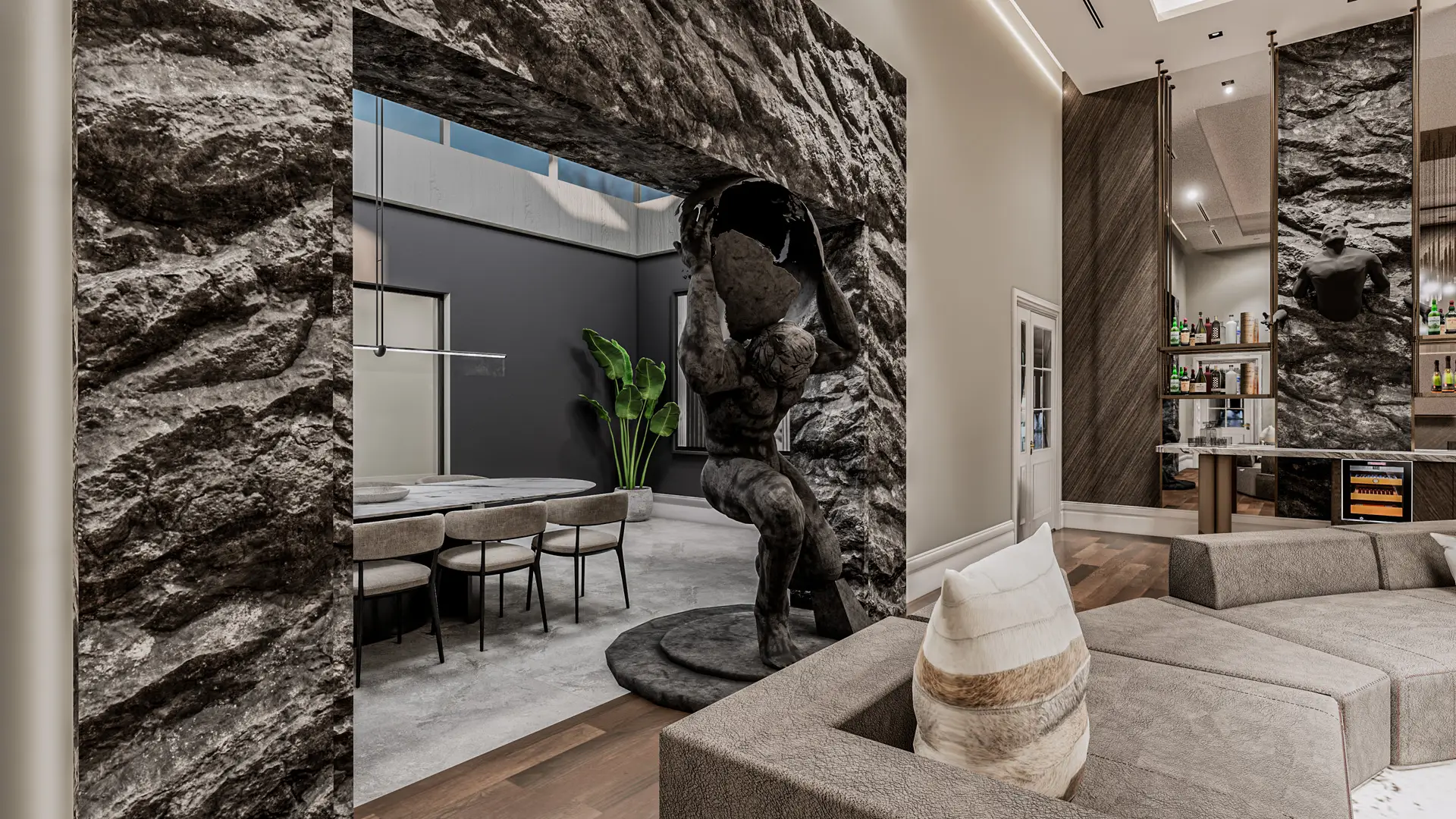
Interior Decoration and Residential Design
Interior decoration and residential design is the art of transforming living spaces not only aesthetically but also functionally. Since homes are where people spend a large part of their lives, it is important to offer comfort and elegance together. The right design and decoration directly affect both your mood and your quality of life.
Modern decoration trends span a wide spectrum, from minimalism to maximalism, from natural textures to technological solutions. Every design should reflect the homeowners’ personality and lifestyle. For this reason, interior planning involves not only furniture selection but also color palettes, lighting, and space optimization.
 Home Interior Design
Home interior design is the process of transforming living spaces by combining the soul and functionality of a space. The first step in home interior design is to analyze the needs and usage habits of your living spaces.
- Color and texture selection: The colors used in spaces directly affect the perception and atmosphere of the room. Light tones create a sense of spaciousness, while dark tones add warmth.
- Furniture and accessories: The size, placement, and functional features of furniture are among the most important parts of design. A balance between function and aesthetics must be established.
- Lighting: The use of natural and artificial light changes both the visual appeal and the energy of the space. Different layers of light add depth to rooms.
Among the modern trends in home interior design, sustainable materials and smart home systems stand out. Natural wood, stone, and recycled materials offer an approach that is both aesthetic and eco-friendly.
 Residential Interior Projects
Residential interior projects cover the process from planning to implementation of home design. These projects prioritize not only aesthetics but also functionality and ergonomics.
Key points to consider in residential projects:
- Space Analysis: Room dimensions, ceiling height, and natural light form the foundation of the design.
- Functional Zoning: Dividing living spaces into the right sections provides ease of daily use.
- Material and Surface Selection: Durable and aesthetic materials provide long-lasting decoration.
- Technology Integration: Smart systems increase energy savings and usage comfort.
Residential Interior Design Recommendations Table
| Area | Design Tip | Recommended Materials | Trends |
|---|---|---|---|
| Living Room | Create a spacious area with light color palettes | Wood, natural fabrics | Minimalist and natural textures |
| Kitchen | Plan functional countertops and storage space | Granite, stainless steel | Modern and technological kitchens |
| Bedroom | Create a simple and comfortable atmosphere | Cotton, linen | Soft colors, acoustic panels |
| Bathroom | Use water-resistant and elegant materials | Ceramic, natural stone | Spa-style and minimalist design |
This table helps you make both aesthetic and functional decisions when planning residential interior projects for different areas.
Space Optimization and Functional Design
Space optimization increases efficiency in all homes, whether small or large. Interior decoration means not only elegance but also maximizing the use of space.
- Storage Solutions: Hidden cabinets, modular shelf systems, and multi-purpose furniture reduce clutter.
- Open-Plan Layouts: Especially in small apartments, open-plan layouts create a sense of spaciousness.
- Flexible Furniture Use: Folding tables, portable seating areas, and multi-purpose storage units help you use space effectively.
Functional design improves quality of life at home and makes daily routines more comfortable. Modern living spaces take the user’s experience to the next level by combining technology and aesthetics.
Trends and Innovative Approaches
Interior decoration and residential design is a constantly changing field. The leading trends as of 2025:
- Natural Materials and Sustainability: Wood, stone, recycled metal, and natural fabrics stand out.
- Minimalist Design: Fewer items, open space, and clean lines.
- Smart Home Systems: Lighting, heating, and security systems are managed via mobile apps.
- Color Trends: Neutral tones, earth colors, and soft pastels are popular.
- Art and Personal Touches: Personal works and art objects in spaces add character.
These trends serve as a guide for both home interior design and residential interior projects.
Frequently Asked Questions
Which colors should be preferred in home interior design?
Light tones can be preferred for spaciousness, and earth tones for warmth and intimacy. Personal taste and lighting also play an important role in the choice.
How long does it take to complete residential interior projects?
Depending on the size and complexity of the project, it can take from 1 to 6 months. The planning and implementation process is directly related to material supply and workmanship.
Why is functional design important?
Functional design makes living spaces more efficient and comfortable. It provides ease of daily use and space optimization.
What are the modern decoration trends?
Minimalism, natural materials, smart home systems, and personal touches are among the current trends. These trends combine aesthetics and functionality.
Follow us on Instagram: wawainteriors